Exploring the Future of Vibe Coding

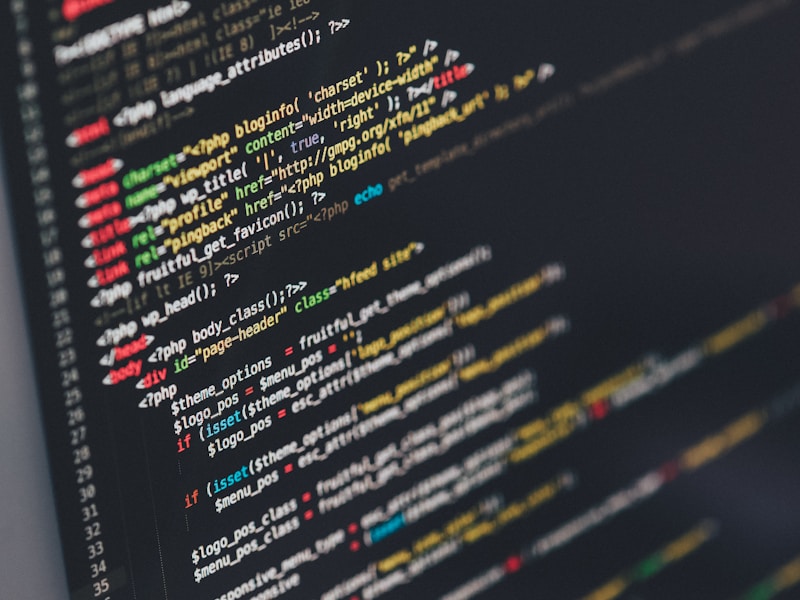
When you picture someone writing code, you probably imagine a math genius typing furiously, green text scrolling down a black screen in a perfectly logical flow. But what if much of modern software development is actually more like cooking without a recipe? Sometimes you add a pinch of this, a dash of that, and keep tasting until it just feels right.
In the tech world, there's a name for this surprisingly common practice: "Vibe Coding." It's the art of building an application based on intuition and past experience rather than a deep, step-by-step understanding of a formal plan. This feeling-based style is the polar opposite of traditional, highly structured methods that resemble following a detailed blueprint.
Have you ever just "winged it" on a project at work, trusting your gut to get you to the finish line? That's the essence of vibe coding. In practice, it's a controversial topic frequently discussed in developer communities. While some praise its speed and creativity, others warn of its hidden dangers. It is the most debated form of what some call intuitive programming.
The appeal is obvious: it's fast and can feel like magic when it works. This approach, often searched for by global teams with phrases like 'vibe coding 是什么', explains why some features get built in a weekend—and why others mysteriously break. It represents a constant trade-off between speed and stability, a developer's secret that has a massive impact on the technology we use every day.
Why 'Vibing' a Project Can Be a Developer's Superpower
When you have a brilliant idea for an app, the last thing you want is to spend months building it only to find out nobody is interested. This is where vibe coding shines. It's the perfect tool for creating a prototype—a quick, working model designed to show off an idea, much like a movie set that looks real but isn't built to last. By relying on intuition, a developer can get a tangible concept into people's hands in days instead of months, gathering crucial feedback when it matters most.
Unlike the highly structured plans often required for big corporate projects, vibe coding encourages a more artistic approach. Think of a chef who knows the rules of cooking so well they can improvise a new dish on the spot. By trusting their experience, a developer can discover clever solutions that a strict set of instructions might have missed. These are some of the core benefits of creative coding; it turns a purely technical task into an inventive one, often leading to more innovative results.
This intense focus can also unlock a powerful mental state you've likely experienced yourself: being "in the zone." Known as a flow state, it's that feeling of complete immersion where time seems to melt away. Because the developer isn't constantly stopping to look up rules or second-guess their work, they maintain momentum. For many, this is one of the most effective developer flow state techniques, making work feel less like a chore and more like a fluid performance.
On the surface, this all sounds perfect. The process is faster, more creative, and deeply satisfying. But what happens when that movie-set prototype is mistaken for a skyscraper? This reliance on intuition, while powerful, comes with significant risks that can introduce hidden weaknesses and future headaches.
The Hidden Fragility: When 'Coding by Feel' Goes Wrong
That movie-set prototype built with vibe coding might look impressive, but it's often held together with the digital equivalent of tape and glue. When a developer builds something based on intuition alone, the resulting software can be incredibly brittle. A small, seemingly unrelated update—like adding a new button—can cause a completely different part of the app to stop working. For you, this appears as a bug: your login suddenly fails, or a feature you rely on disappears. This is the first sign that intuitive coding can create a house of cards.
The problem gets worse when more people get involved. Software is rarely built by one person; it's a team sport. But code written "on a vibe" is like a diary written in a secret personal code. While the original author understands their own logic, new team members are left staring at a puzzle they can't solve. This makes fixing those bugs or adding new features painfully slow and frustrating. The initial speed gained by one person quickly turns into a roadblock for everyone else.
This leads to a well-known problem in the software world called technical debt. Imagine you're rushing to cook a huge meal. You toss empty packages on the counter and leave dirty pots in the sink, promising to clean up later. You served dinner fast, but the kitchen is a disaster. Technical debt is that mess. The initial speed of vibe coding is "paid for" with a messy, hard-to-understand foundation that someone—often a burned-out developer—must eventually clean up, costing far more time and effort in the long run.
The Right Tool for the Job: When Is 'Vibe Coding' a Good Idea?
After all that talk of messy kitchens and houses of cards, you might think "vibe coding" is always a mistake. But that's not the whole story. Like any shortcut, its value depends entirely on the destination. It's not inherently good or bad; it's a tool, and a smart craftsperson knows when to use it. The real skill is knowing when speed is a benefit and when it's a liability.
The key difference comes down to one simple question: What are the stakes if this breaks? You wouldn't want a pilot "vibe flying" your plane or a surgeon "vibe operating" on a hunch. In these high-stakes situations, every step must be deliberate, double-checked, and based on proven procedures. Software that handles your money, health records, or safety is exactly the same—it demands a methodical, rigorous approach.
In contrast, for low-stakes projects, vibe coding can be a superpower. It allows for rapid experimentation and creativity when the consequences of failure are minimal. Here's a simple way to think about it:
- Good for 'Vibing': A personal blog, a quick digital art project, or a temporary webpage for a party invitation.
- Bad for 'Vibing': An online banking portal, hospital patient software, or an airplane's control system.
Ultimately, the debate isn't about outlawing intuition. It's about professional judgment. A seasoned developer understands when to lean into their gut feeling to build something fast and when to slow down and follow a precise blueprint. This tension is a constant challenge, balancing creativity and logic in software to deliver the right result for the right situation.
More Art Than Science? How Vibe Coding Fuels a Core Debate
That constant tension between building by the book and building by feel taps into one of the oldest debates in the software world: is programming more of an art or a science? From the outside, it looks like pure science—a rigid world of logic, math, and absolute rules. But ask any developer, and they'll tell you it's also a deeply creative craft. It's the difference between an architect who must follow the laws of physics to design a safe building and an interior designer who arranges a room until it just feels right. Software development requires you to be both.
This is where "vibe coding" finds its home, landing squarely on the "art" side of the spectrum. It is the digital equivalent of a jazz musician improvising a solo or a painter adding a splash of color based on instinct. When developers "vibe," they are engaging in creative problem-solving, trusting their experience and intuition to find a path through a complex problem without a clear map. This approach prioritizes flow and ingenuity over rigid, step-by-step procedures.
This duality helps demystify the people who build our digital world. The constant need for balancing creativity and logic in software is why two developers can be given the exact same task and produce two completely different results—one meticulously engineered, the other cleverly improvised. Neither is necessarily wrong, but they reflect the two souls of the craft. This creative state is a powerful, if sometimes risky, part of the job, and developers often seek out a specific environment to tap into it.
Crafting the 'Zone': The Real-World Vibe Behind the Coding
If the "vibe" in coding is a mental state of creative flow, then the physical environment is the control panel used to achieve it. Just as a writer might need a quiet coffee shop or an artist requires the perfect natural light, developers intentionally engineer their surroundings to get into "the zone." This isn't about simple comfort; it's a practical strategy for managing the immense cognitive load required to build software from abstract ideas.
For many, the first step is auditory. The cliché of a developer wearing large headphones isn't just for blocking out office chatter. It's about creating a predictable, non-distracting soundscape. Genres like lo-fi hip hop, ambient electronic music, or even cinematic scores are incredibly popular because they provide a steady rhythm without lyrical content that can hijack the brain's language centers. This musical wallpaper helps sustain focus for hours, making it a crucial tool for concentration.
This focus on sensory input extends beyond sound. A quick search for "programming setup" online reveals a world of meticulously organized desks. The clean surfaces, warm, focused lighting, and satisfyingly tactile mechanical keyboards are more than just an aesthetic. By eliminating physical clutter and standardizing their tools, developers reduce the small, constant decisions that can drain mental energy. When your hands know exactly where everything is, your mind is free to wander through the complex logic on the screen.
Ultimately, this ritual of curating the perfect music and organizing a zen-like workspace is about one thing: building a fortress against distraction. It's a deliberate effort to create an external vibe that supports the internal one, making it easier to slip into that intuitive, feeling-based state of "vibe coding." But as this practice becomes more visible, it raises a critical question: is this focus on feeling and intuition a sustainable way to build the technologies we all rely on?

Is 'Vibe Coding' the Future, a Fad, or Just a New Name for an Old Habit?
The stereotypical image of a developer typing furiously, lines of perfect logic scrolling down a screen, now has more nuance. Behind the technical curtain lies a very human process—one that often relies on intuition, experience, and what just feels right. This perspective shifts away from the myth of software as a perfect machine toward a more organic, and sometimes messy, reality.
This approach, a modern name for an age-old trade-off, is all about balancing speed against structure. A master chef can improvise a stunning meal without a recipe because their "vibe cooking" is built on a deep foundation of knowledge. A beginner trying the same is more likely to make a mess. In the same way, an experienced developer can use feeling-based software development to innovate quickly, while a novice risks creating hidden problems.
This trade-off is visible everywhere. The next time an app releases a flashy new feature that feels a little buggy, or a startup builds something incredibly fast, the choice that was likely made becomes clearer. The perspective shifts from that of a user to an informed observer of the compromises shaping our digital world.
Ultimately, vibe coding isn't a philosophy to be judged, but a tool to be understood. Recognizing its existence demystifies the art of software development, revealing it as a creative and challenging craft. It showcases not just the finished product, but the human artistry and the calculated risks behind the code that powers our lives.
Ready to start building? Generate personalized project ideas with AI.
Try Vibe Code Vibes — it's free